 Como Va Mi Tolú
La Caimanera mangrove tour: a rowing canoe trip in Coveñas, Colombia
La Caimanera is the mangrove lagoon between Tolú and Coveñas, right next to the road, on Colombia's Caribbean coast. Here is what the canoe trip through its tunnels is like, what you see and how to help protect it.
Updated November 26, 2026 · Como Va Mi Tolú · Leer en español
What is La Caimanera?
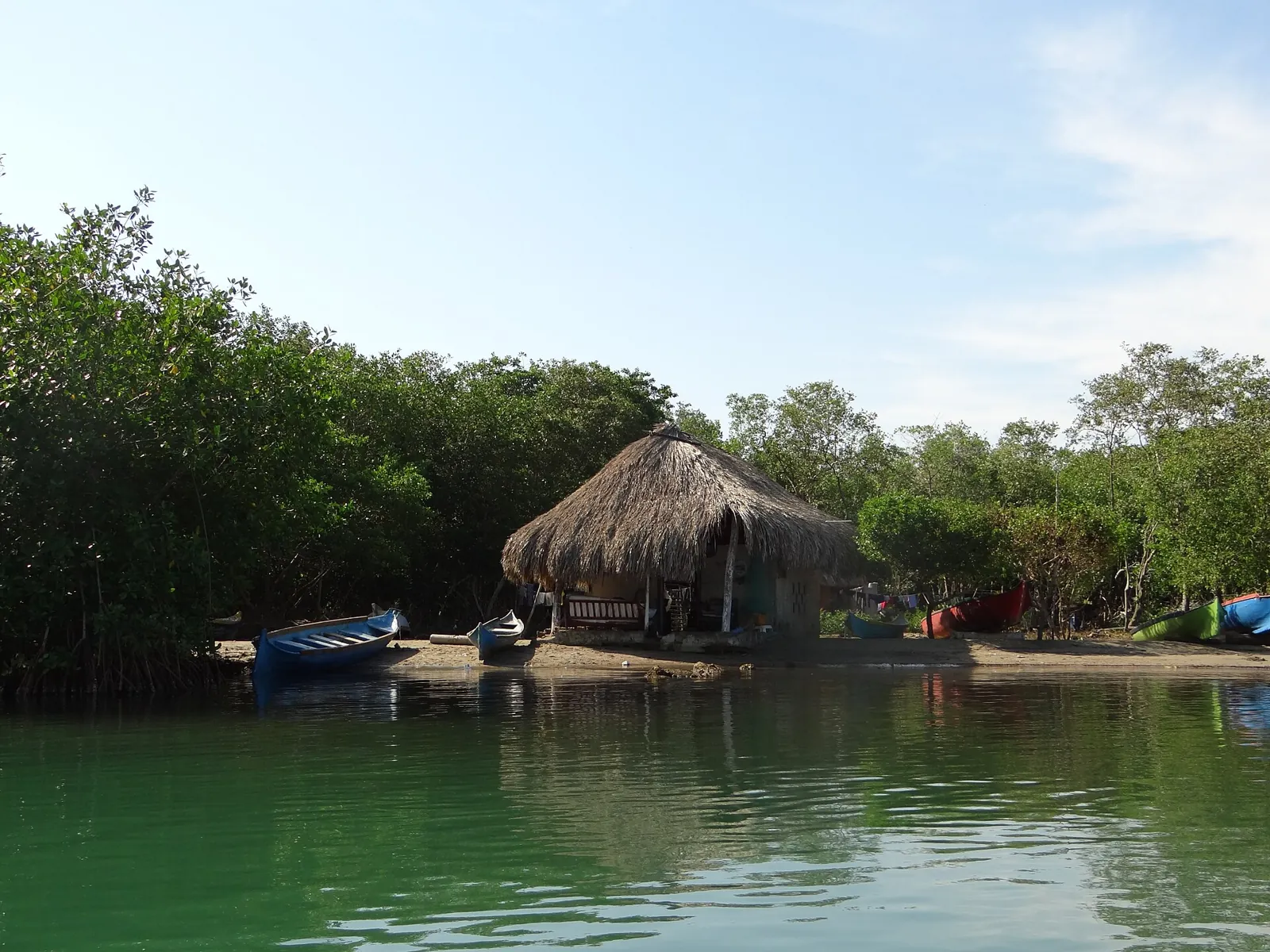
A lagoon surrounded by mangroves in the municipality of Coveñas, in the south of the Gulf of Morrosquillo. It connects to the sea at the Boca de la Ciénaga, under the bridge on the road between Tolú and Coveñas. The bridge also controls how water flows between the lagoon and the sea.
Water and mangrove together cover about 1,800 hectares. It is the largest mangrove area in the south of the Gulf.
What the tour is like
- Departure: usually at the Boca de la Ciénaga, where local guides wait near the bridge. Some packages with hotel pickup board in Coveñas.
- Boat: a rowing canoe that moves quietly through the mangroves.
- Tunnels: the canoe goes through narrow channels where the mangrove branches close overhead like a tunnel.
- Lagoon: after the channels you come out onto open water. There is a floating house on the lagoon where tours usually stop.
- Length: the canoe trip takes about two hours. With hotel pickup and a meal it can take most of the day. Confirm with your operator.
What you see
Mangroves. There are four species in the lagoon: red, white, black and zaragoza mangrove. Near the mouth the red mangrove dominates, the one with roots shaped like legs. Further in you find the black and white ones.
Birds. A study by the Universidad de Sucre and CARSUCRE counted 30 species in and around the lagoon. The most common are herons and egrets: great egret, little blue heron, snowy egret and tricolored heron. You can also see kingfishers, brown pelicans, anhingas, cormorants, white ibis and roseate spoonbills.
Others. Crabs on the roots, oysters and, with luck, a raccoon. The caimans that gave the lagoon its fame do not always show up.
What to bring
- Sunscreen, a hat and sunglasses.
- Insect repellent: there are mosquitoes in the mangroves.
- Water.
- A dry bag for your phone.
- Light clothes that can get wet.
- Some cash.
How to protect the mangroves
La Caimanera is a protected area: a Distrito Regional de Manejo Integrado (regional integrated management district). The environmental authority is CARSUCRE, the regional environmental agency of Sucre, which has had a management plan for these mangroves since 2004.
The mangroves have been under pressure for years from clearing for lots, cabins and buildings, and from trash that reaches the lagoon. What you can do:
- Follow your guide's instructions.
- Do not climb on the roots or break branches for photos.
- Do not take plants, shells or animals.
- Bring all your trash back.
- Choose community guides.
Safety: wear a life jacket, and hire operators registered in the Registro Nacional de Turismo (RNT) with boats authorized by the Capitanía de Puerto de Coveñas (Dimar, the port authority). More in safe boat tours. If you stay for the day, continue to the beaches of Coveñas.
Who to go with
Local businesses that confirmed their listing come first. Message them on WhatsApp (listings are in Spanish; most owners reply to simple English).

Noresa Agencia de Viajes y Consultorias
Ficha completa
WhatsApp
Club Nautico Arena Beach
Ficha completa
WhatsApp
Chiva Rumbera
Ficha completa
WhatsApp
CLUB NAUTICO MUNDO MAR
WhatsAppBook online
You pay and confirm with the partner; Como Va Mi Tolú may earn a commission at no extra cost to you.
Frequently asked questions
Where is La Caimanera?
In Coveñas, Sucre, Colombia, next to the road from Tolú. The most common starting point is the Boca de la Ciénaga.
Is the tour by rowing canoe?
Yes, by rowing canoe with local guides, through the mangrove tunnels and the lagoon.
How long does the tour take?
About two hours by canoe. Longer if the package includes hotel pickup and a meal.
Which birds can I see?
Mostly herons and egrets, plus kingfishers, pelicans, white ibis and roseate spoonbills.
Who protects the lagoon?
CARSUCRE, the regional environmental agency. It is a Distrito Regional de Manejo Integrado.
How much does it cost?
It depends on the operator and what is included. Ask for the price and what it covers before you get in.
Sources: Urueta et al., "Ciénaga de La Caimanera: manglares y aves asociadas", Revista Colombiana de Ciencia Animal, Universidad de Sucre, 2010, with CARSUCRE; UNAD repository (Distrito Regional de Manejo Integrado, 2023); Protected Planet; Colombia Travel, "Manglares de Colombia"; El Heraldo (Boca de la Ciénaga bridge, 2023); El País Cali (canoe tour, 2024); Lonely Planet (departure from the Boca de la Ciénaga); Civitatis (La Caimanera tour); local information from Como Va Mi Tolú (rowing canoe). Accessed November 26, 2026. Something out of date? Tell us on WhatsApp.
Keep planning
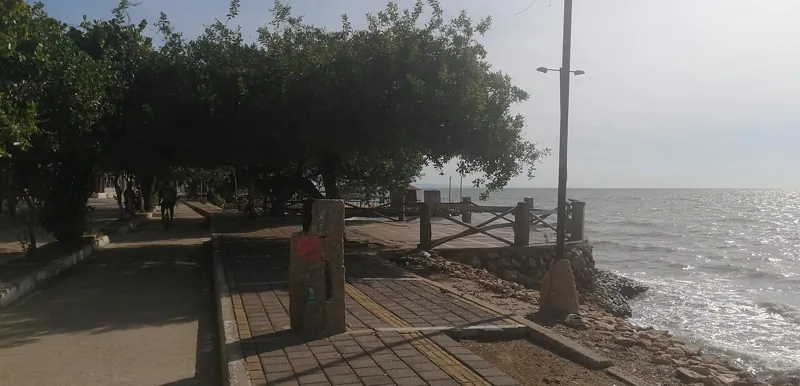 Things to do in Tolú and the Gulf of Morrosquillo, ColombiaBeaches, islands, La Caimanera lagoon, the boardwalk and local culture on the Gulf.
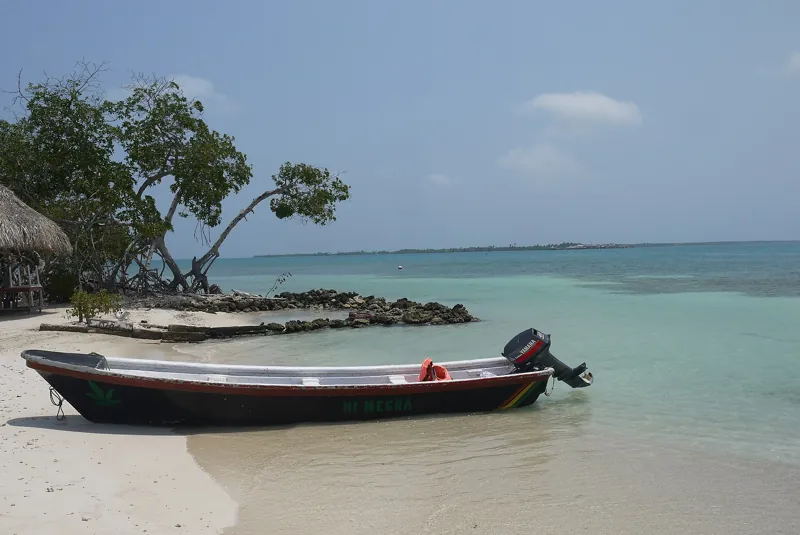 Boat tours to the San Bernardo Islands: how to choose a legal, safe operatorRNT, life jackets and boat documents: what to check before you board.
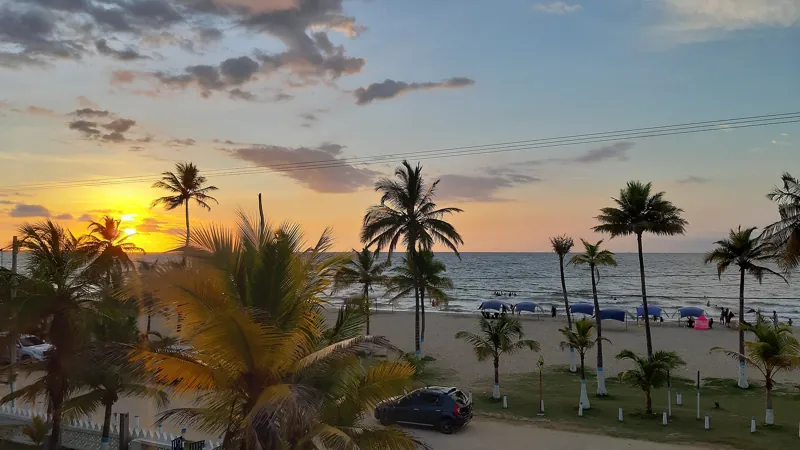 Coveñas beaches, Colombia: what each one is like and which to chooseThe Ensenadas, La Coquerita and Punta de Piedra: what each beach is like and which one suits you. Plan your tripTours, places to stay and how to get there, in one place.
Want help planning your trip?
Message us on WhatsApp with your dates and group size. We will send you options from the guide for tours, places to stay and transport.